
What's happening
You bought healthy plants at the nursery; within weeks the balcony looks like a graveyard of brown leaves and empty pots. In Indian apartments this pattern is common—especially after the first monsoon or the first May heatwave. Death often follows a short period of drooping that was mistaken for thirst.
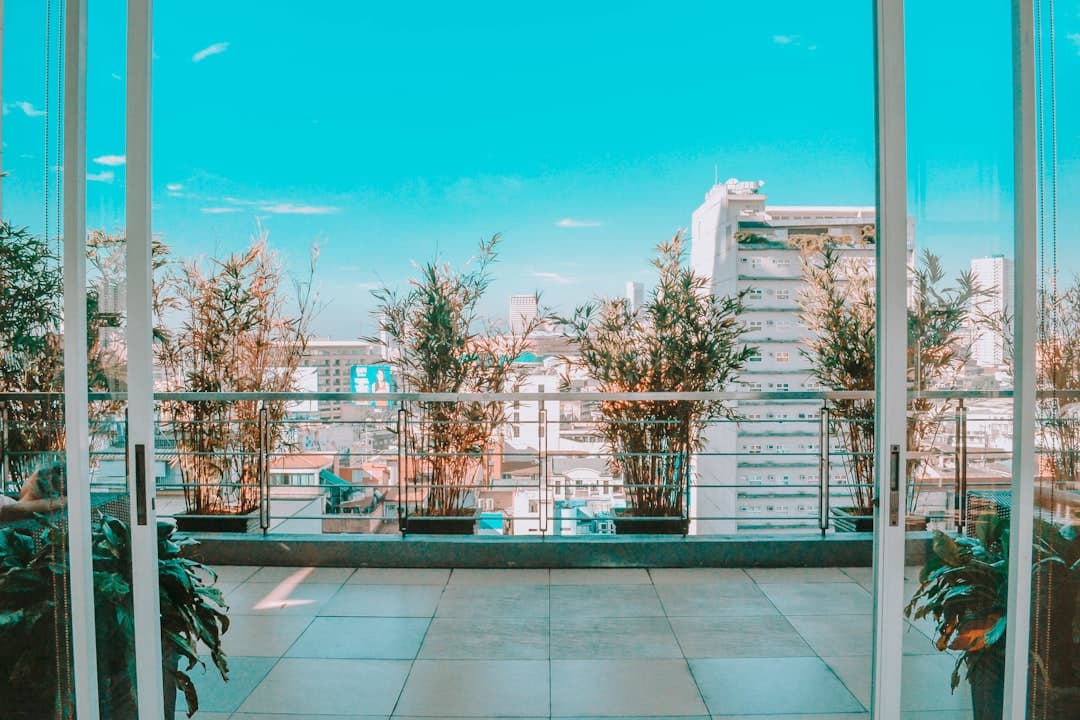
Death clusters after festivals often trace to travel—pots sat in full sun without water, or neighbour ‘helped’ with daily drenching. High-rise balconies in Gurgaon and Noida face wind that knocks dry pots in minutes. Ground-floor flats may get too little sun for sun-loving nursery buys. Map your actual conditions before the next nursery trip.
Walk the same spot at 9 a.m. and 3 p.m. once in March and once in July—those two snapshots reveal more than most generic guides. In Indian flats, reflected heat from glass and tiles, monsoon damp, and AC drafts change a pot faster than ground gardens.
Why this happens
No drainage holes or trays left full recreate swamp conditions in cocopeat-heavy mixes. Moving plants from shaded nursery rows to full west-railing sun without acclimatisation burns foliage. Wind and heat on high floors desiccate small pots in hours. Garden soil alone compacts and suffocates roots. Pesticide or soap burns happen when sprayed in midday sun. Leaving plants under building drip lines during monsoon invites fungus.
Building paint and tile reflect heat; black plastic pots amplify it. Drip trays reused as permanent bases become reservoirs. Insecticides applied in midday sun on tender leaves cause chemical burn resembling disease. Shared building water tanks sometimes run chlorinated or slightly saline—consistent but stressful over years in small pots.
Apartment microclimate—railing sun, building shade, tank water chemistry, and pot volume—often explains symptoms better than a single fault on a label. Seasonal shifts around IST pre-monsoon heat and post-monsoon recovery matter more than copying a fixed weekly schedule from abroad.
What usually helps
Audit every pot: must drain freely; elevate on bricks in rain. Use open, well-aerated mix. Acclimate new plants over 7–10 days—morning sun first. Match plant to exposure; do not fight a shade plant on a blazing railing. Water deeply but only when needed; lift the pot—light means dry. Replace soil yearly for heavy feeders on small balconies. Accept that some seasonal annuals are meant to finish their cycle.
Create three zones on the balcony: full sun, partial, shade—label pots with initials on sticks. Use cocopeat-based mix refreshed yearly for heavy feeders. When a plant fails, note sun hours and water pattern in a notes app before discarding—cheap tuition. Join local WhatsApp plant groups for your city’s monsoon timing, not generic US advice.
Finger-test the top 2–3 cm of soil, confirm drainage holes are open, and change one variable at a time rather than repotting, feeding, and moving the same day. Cocopeat-based mixes with compost and grit suit most balcony and terrace pots better than heavy garden soil alone.
What to expect next
Fixing culture prevents most repeat deaths. Established hibiscus or curry leaf may shed leaves after a stress event but resprout from wood. Give six weeks before declaring a woody plant dead—scratch the stem; green underneath means wait.
Survivors teach more than replacements. After one year you will keep fewer pots but healthier ones. Woody plants like curry leaf may look dead post-heat—wait six weeks before composting. Monsoon losses drop sharply once pots are elevated and saucers managed.
Older damaged leaves may not green up again; firm new shoots are the reliable sign you are on track. Give most balcony and indoor plants two to four weeks after a fix before judging failure. Mark what worked on your calendar so next summer or monsoon you repeat success instead of guessing.