
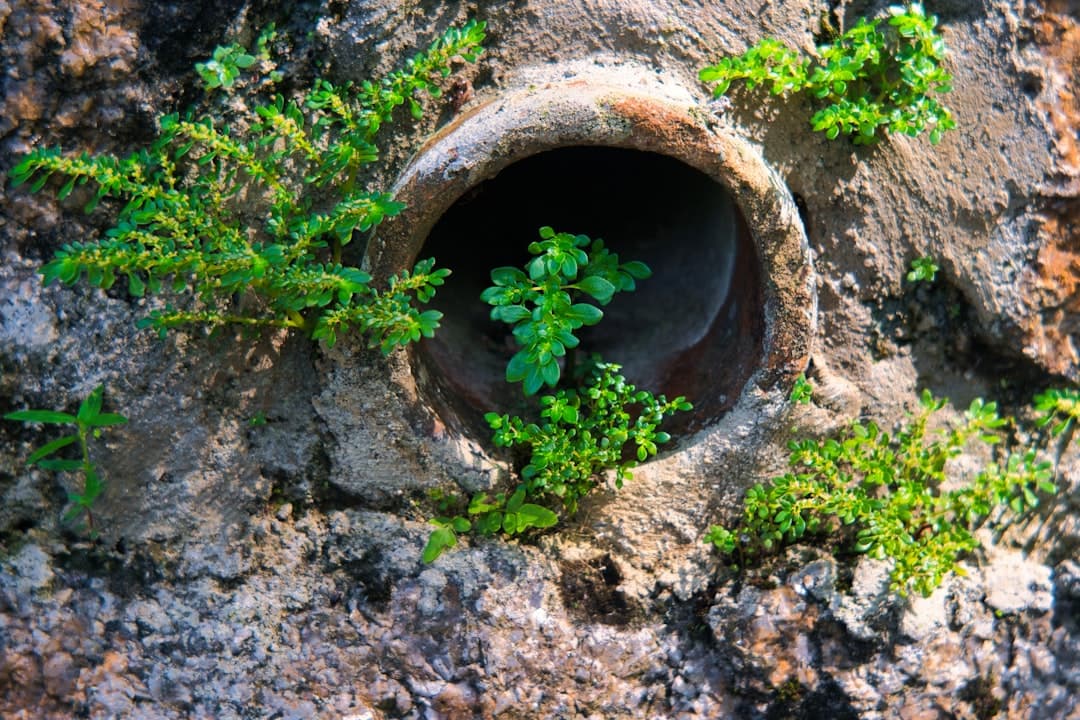
How drainage holes really matter
Drainage holes quietly play a critical role in plant health. They are easy to overlook when choosing a pretty pot, but they make the difference between thriving and slow decline.
What's happening
Drainage holes let excess water escape, preventing root saturation. Without them, water pools at the bottom, creating a stagnant zone where roots drown. Even one heavy monsoon downpour can flood a pot without holes.
Why this happens
Without drainage, gravity cannot pull excess water out. The gravel-at-the-bottom trick is a myth — it raises the waterlogged zone higher. Indian downpours can dump 30-50 mm of rain in an hour on your terrace.
What usually helps
Always use pots with at least one hole. For decorative pots, place the plant in a nursery pot inside and lift it out to drain. You can drill holes yourself — a masonry bit works on terracotta and ceramic. Cover holes with mesh to keep soil in while letting water out.
What to expect next
Improved drainage leads to stable root health and fewer wilting episodes. Plants in well-drained pots tolerate monsoon rains much better.