
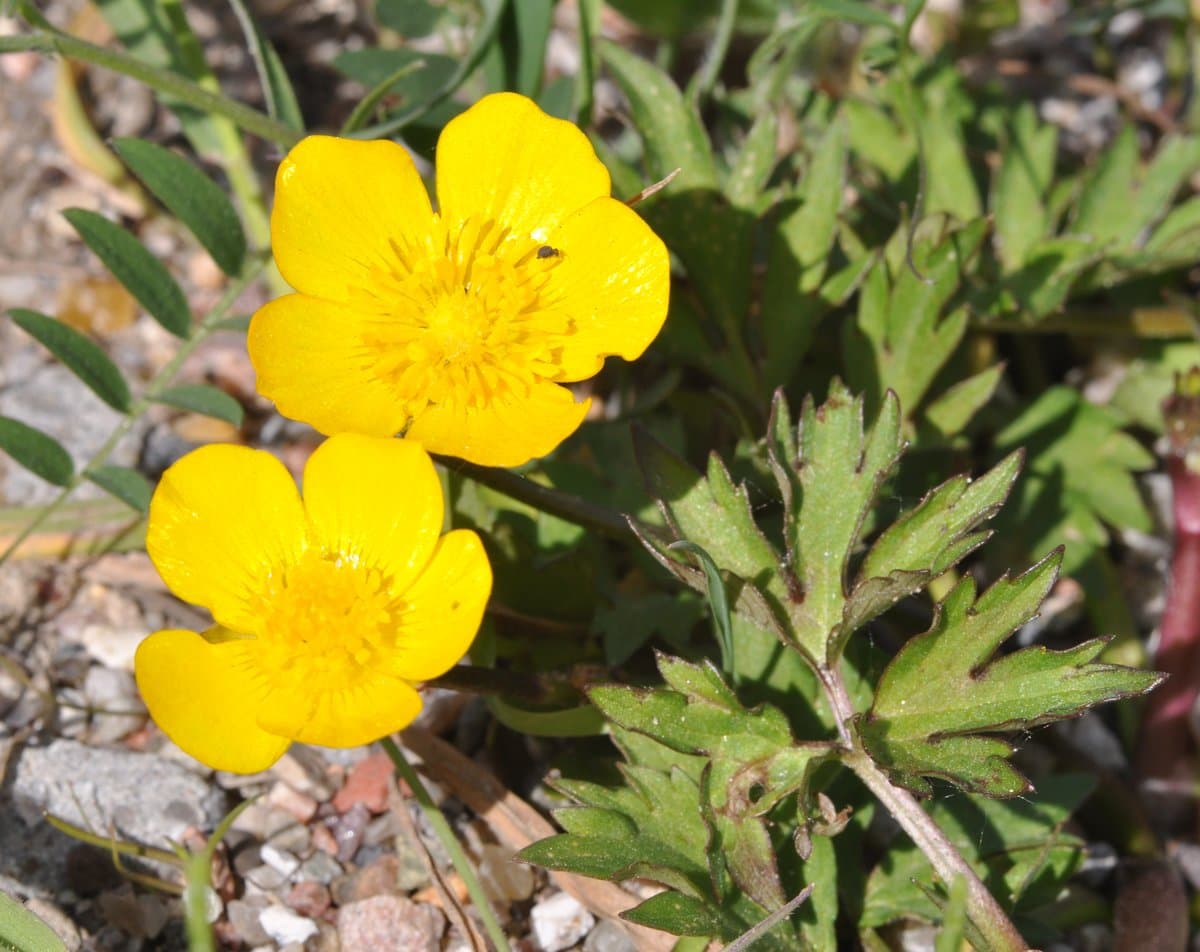
Flowering plants naturally cycle between active growth and rest.
What's happening
After blooming, plants reduce activity to rebuild energy. Your bougainvillea may stop producing bracts, or jasmine pauses between flushes. This is not decline — the plant is photosynthesizing, strengthening roots, and stockpiling nutrients for the next round.
Why this happens
Flower production consumes significant sugars, minerals, and water. Forcing continuous blooming through heavy feeding during rest weakens the plant across cycles.
What usually helps
Allow the quieter phase without worry. Continue watering and ensure light, but reduce fertiliser. Deadhead spent flowers so the plant skips seed formation. For hibiscus and mogra, a light post-bloom pruning — removing leggy growth — encourages bushier regrowth and more bloom points next cycle.
What to expect next
New buds appear after two to six weeks of rest. In India, most flowering plants peak during March–June and September–November, with natural rest in summer heat and winter cold.