
What's happening
Kitchen herbs on a windowsill or balcony are the most satisfying first harvest in India. Mint spreads aggressively in damp soil; basil (tulsi or Italian) wants morning sun and regular pinching; coriander bolts fast in heat. Most failures are leggy stems, pin-holes in leaves, or coriander flowering before you get a bowlful.
Window grills in Indian flats make perfect morning-sun shelves for herbs—secure pots against wind. Coriander from market bunches rarely roots well; seed sowing works better. Tulsi has cultural and culinary roles; treat as semi-woody, not like coriander.
Walk the same spot at 9 a.m. and 3 p.m. once in March and once in July—those two snapshots reveal more than most generic guides. In Indian flats, reflected heat from glass and tiles, monsoon damp, and AC drafts change a pot faster than ground gardens.
Why this happens
Indoor-only herbs without four hours of sun grow thin and weak. Coriander sown in April–May in North India bolts within weeks. Mint in shallow pots dries in one hot afternoon. Overhead watering on coriander encourages fungus. Basil stressed by irregular water develops downy issues on crowded leaves.
Mint runners escape drainage holes onto terrace tiles—use wide trays or contained beds. Basil downy mildew appears in crowded, wet, shaded leaves. Coriander roots are shallow—heat at pot rim dries them while centre stays wet.
Apartment microclimate—railing sun, building shade, tank water chemistry, and pot volume—often explains symptoms better than a single fault on a label. Seasonal shifts around IST pre-monsoon heat and post-monsoon recovery matter more than copying a fixed weekly schedule from abroad.
What usually helps
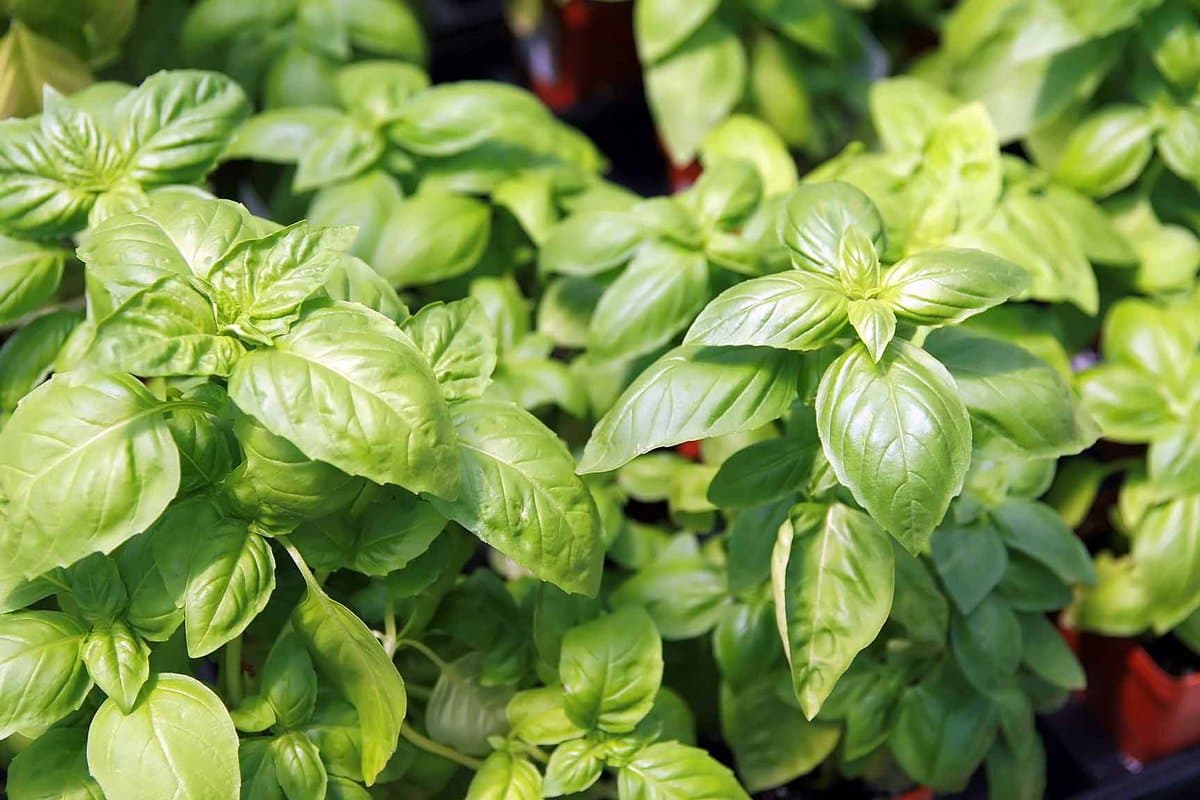
Mint: wide shallow pot, morning sun, keep evenly moist—not swampy; divide clumps yearly. Basil: 8–10 inch pot, 4–6 hours sun, pinch top two leaves weekly to bush out; water when top inch dry. Coriander: sow thickly in cool windows—Oct–Feb North, year-round mild Bangalore; light shade in peak summer; harvest at 15–20 cm by cutting, not pulling. Use cocopeat-compost with drainage; feed lightly every three weeks in growth season.
Sow coriander in shallow wide trays; cover lightly; mist until germination. For mint, take rooted cutting from friend to skip seed wait. Pinch basil above two leaf pairs every week in growth season. Harvest herbs before noon when oils are stronger and leaves are dry.
Finger-test the top 2–3 cm of soil, confirm drainage holes are open, and change one variable at a time rather than repotting, feeding, and moving the same day. Cocopeat-based mixes with compost and grit suit most balcony and terrace pots better than heavy garden soil alone.
What to expect next
Mint usable in 3–4 weeks from rooted cutting. Basil leaves meaningful in 5–6 weeks if pinched. Coriander microgreens in 2 weeks; full leaves before bolt if sown in cool season. Second sowing beats fighting bolted plants.
Mint may look rough first month then surge. Basil flowers signal shift to seed saving or resow. Coriander in cool season gives two to three cut cycles—resow adjacent pot before first bolts.
Older damaged leaves may not green up again; firm new shoots are the reliable sign you are on track. Give most balcony and indoor plants two to four weeks after a fix before judging failure. Mark what worked on your calendar so next summer or monsoon you repeat success instead of guessing.