
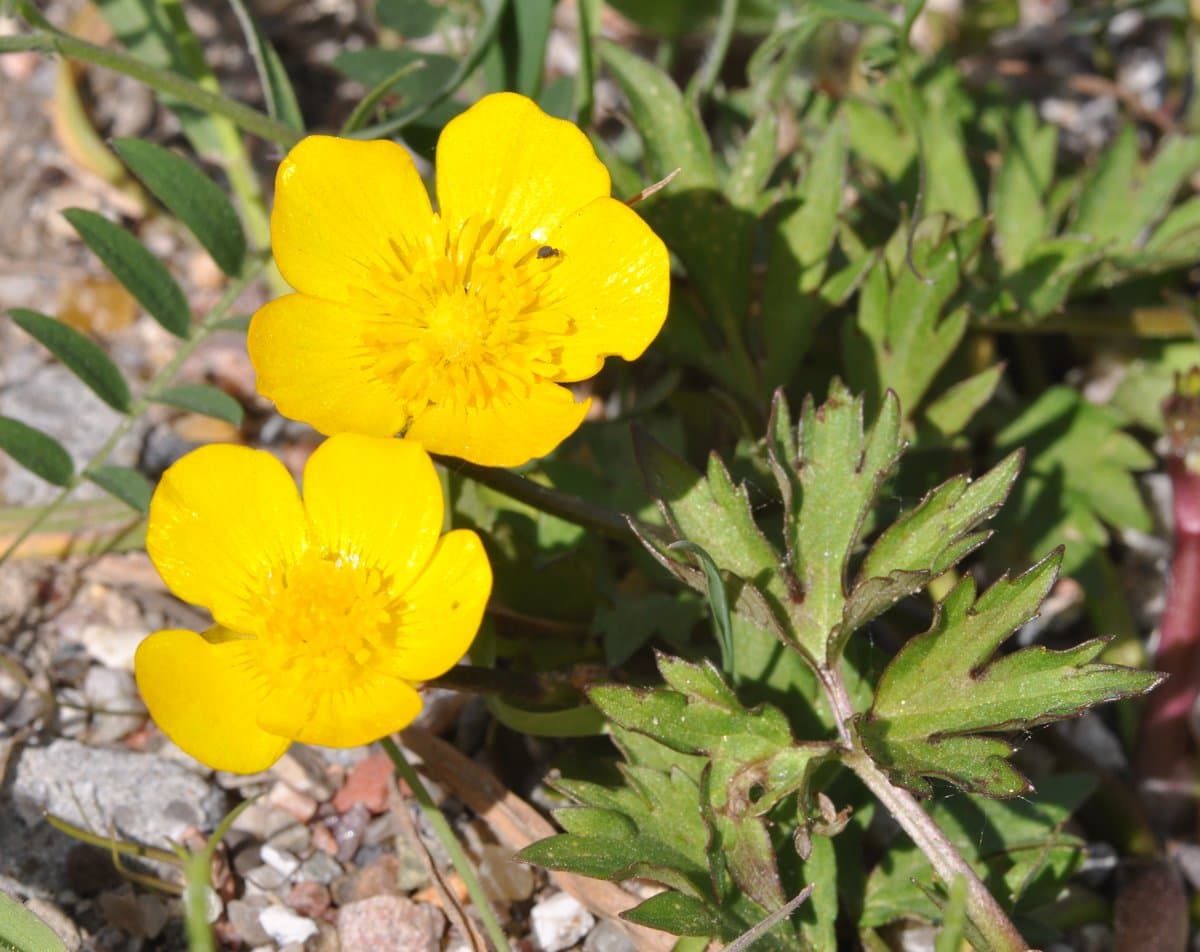
Light exposure plays a key role in when flowering occurs.
What's happening
Plants use light duration and intensity as cues to bloom. Some need long days (summer bloomers), others shorter days (chrysanthemums). Most Indian balcony favourites — hibiscus, jasmine, bougainvillea — respond mainly to intensity, needing four to six hours of direct sun to set buds.
Why this happens
Special pigments in leaves measure light and signal the shift from leaf growth to bud formation. At Indian latitudes, daylight variation is moderate, so intensity matters more than duration for most common flowering species.
What usually helps
Position plants for direct morning sunlight — east-facing balconies work best. Morning sun triggers blooming without scorching. For west-facing spots, add a 50% shade net after 1 PM. Do not place flowering plants deep inside rooms or behind tinted glass — this cuts usable light dramatically.
What to expect next
Flowering becomes predictable once light is consistent. Healthy plants begin forming buds within two to three weeks in a good spot. Moving the plant repeatedly resets this clock.