
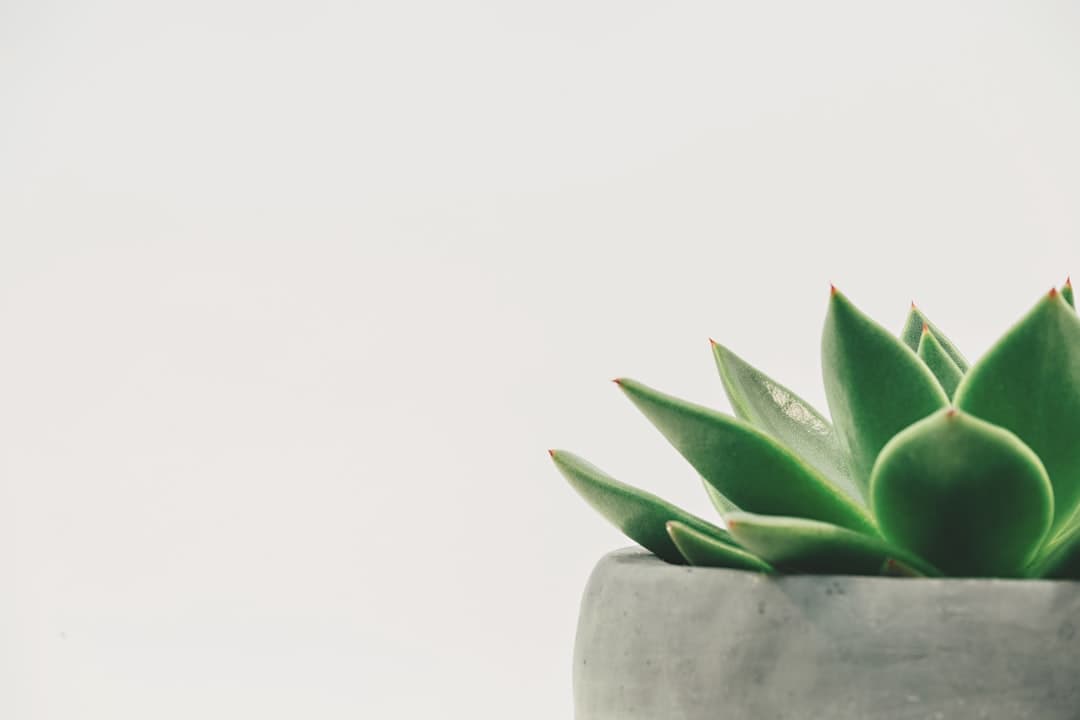
Sometimes the best thing you can do for a struggling plant is nothing at all. Restraint is often the fastest path to recovery.
What's happening
Every change—moving the plant, adjusting watering, adding fertiliser, repotting—introduces a new variable. Stacking changes compounds stress instead of relieving it. Many well-meaning plant parents keep plants in a cycle of stress by constantly tinkering.
Why this happens
Plants sense their environment and calibrate growth to stable conditions. Frequent changes send mixed signals, keeping the plant reactive. In Indian homes, the temptation is high—inside for rain, out for sun, fertiliser for a boost, new pot because the old looks small.
What usually helps
Pick a spot with bright indirect light and leave the plant there. Water when the top inch dries, not by the calendar. Skip fertiliser until you see new growth. Resist repotting unless roots overflow drainage holes. Give each change two weeks to show results.
What to expect next
With stable conditions, most plants show recovery in two to four weeks—a new leaf, stems standing taller, colour deepening. Patience is the most underrated plant care skill.