
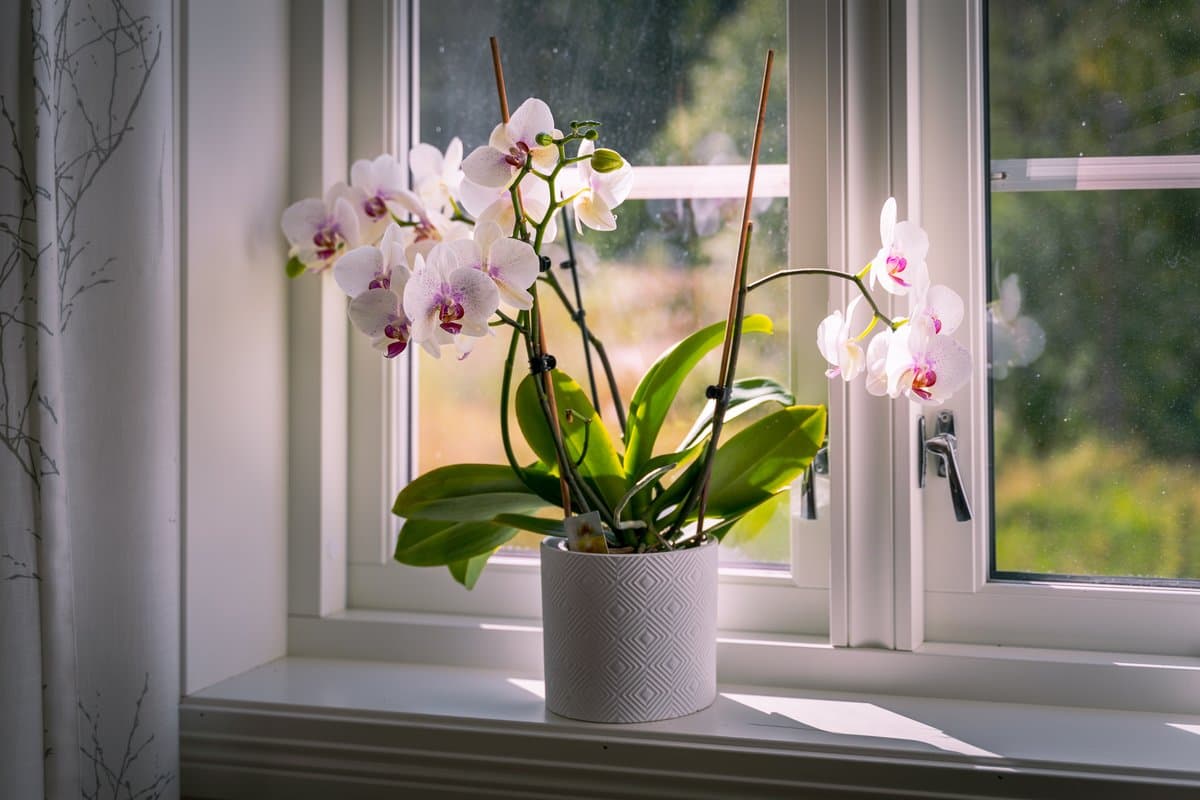
Tropical plants tend to show stress quickly through visible changes.
What's happening
Leaves may droop, curl, yellow, or lose vibrancy. Each symptom points to a different problem. Yellowing lower leaves often signal overwatering. Crispy brown edges mean low humidity or underwatering. Curling suggests heat stress — common on Indian balconies from March to June.
Why this happens
Fast metabolisms and thin leaves mean rapid reactions. Unlike succulents that tolerate weeks of neglect, a monstera or pothos flags issues within days. This is useful — these plants communicate well once you learn the signals.
What usually helps
Address one factor at a time. If you suspect overwatering, let soil dry — do not also relocate and fertilise at once. Check roots if yellowing persists; healthy roots are white, rotting ones are brown and mushy. A simple watering log helps spot patterns over weeks.
What to expect next
Damaged leaves will not self-repair, but new growth should emerge healthy once the cause is fixed. Give two to three weeks of consistent care before judging results.