
What's happening
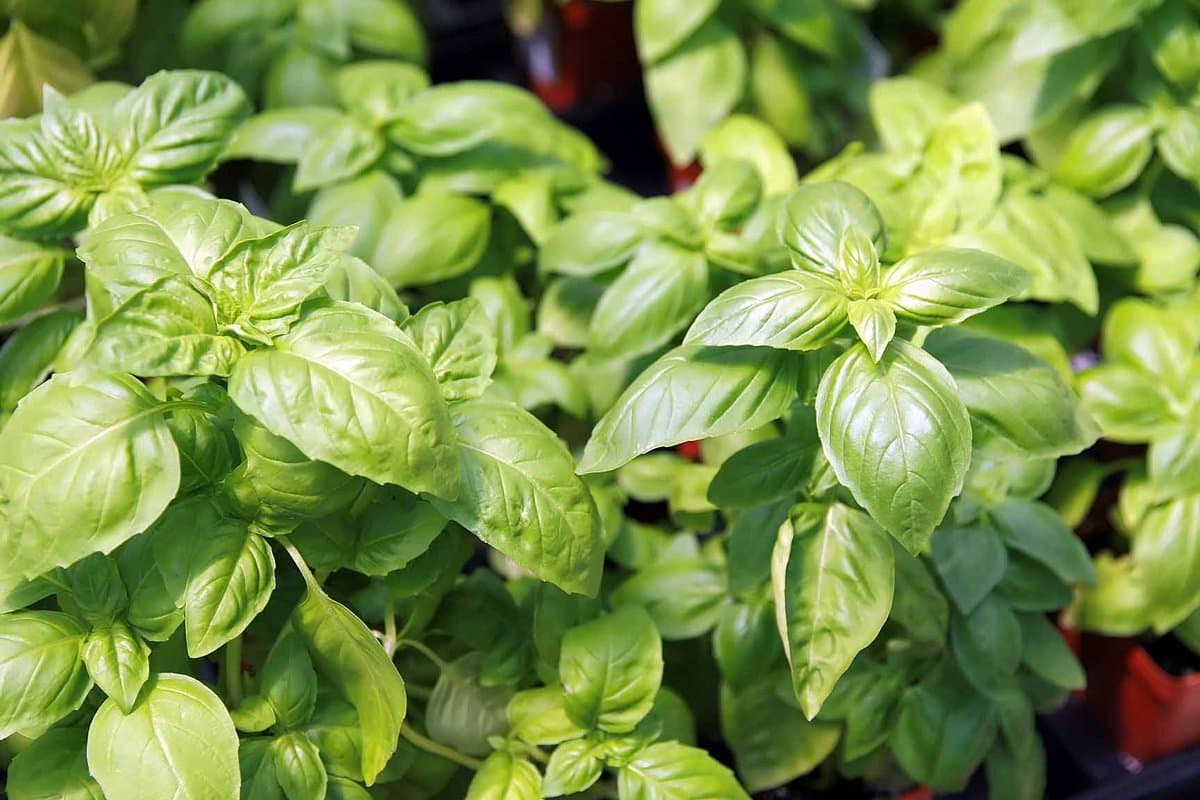
Tulsi (holy basil) in a balcony or kitchen window is one of the most common pots in Indian homes—and one of the most often overwatered. Healthy tulsi has fragrant, slightly fuzzy leaves on firm stems. Stress shows as blackening stems at the base, sudden wilting in wet soil, or long bare legs with tiny top leaves.
Most flats do best with a 6–8 inch terracotta or cement pot on a sunny ledge that gets three to five hours of direct morning or east sun. West-facing railings in May need afternoon shade cloth or a move inward after 2 p.m.
Why this happens
Tulsi is a sun-loving herb that still hates soggy roots. Daily ritual watering without checking soil is the main killer. Heavy garden soil compacts in small pots. Monsoon rain plus hand-watering keeps the root zone anaerobic. Indoor corners with only ambient light produce weak, leggy plants that attract aphids. Cold nights below 12°C in North India (Dec–Jan) can stall growth without killing the plant—owners often water more, making it worse.
What usually helps
Use a light mix: cocopeat, compost, and coarse sand or perlite; drainage holes are non-negotiable. Water when the top 2 cm is dry—typically daily in hot dry weeks, every two to three days in humid monsoon if rain reaches the pot. Pinch flower spikes when they appear to keep leaves tender unless you are saving seed. A weak compost tea or diluted seaweed monthly in March–May and Sept–Oct is enough; skip feed on a wilted plant. For aphids on new tips, rinse at sunrise or use a mild neem spray; rinse edible leaves before use.
What to expect next
After a root fix, new side shoots appear in two to three weeks. Older black stems do not recover—cut back to green wood. Tulsi often slows in peak monsoon and winter; reduce water to match slower uptake. One well-managed pot can last years with seasonal pruning rather than constant replacement.