
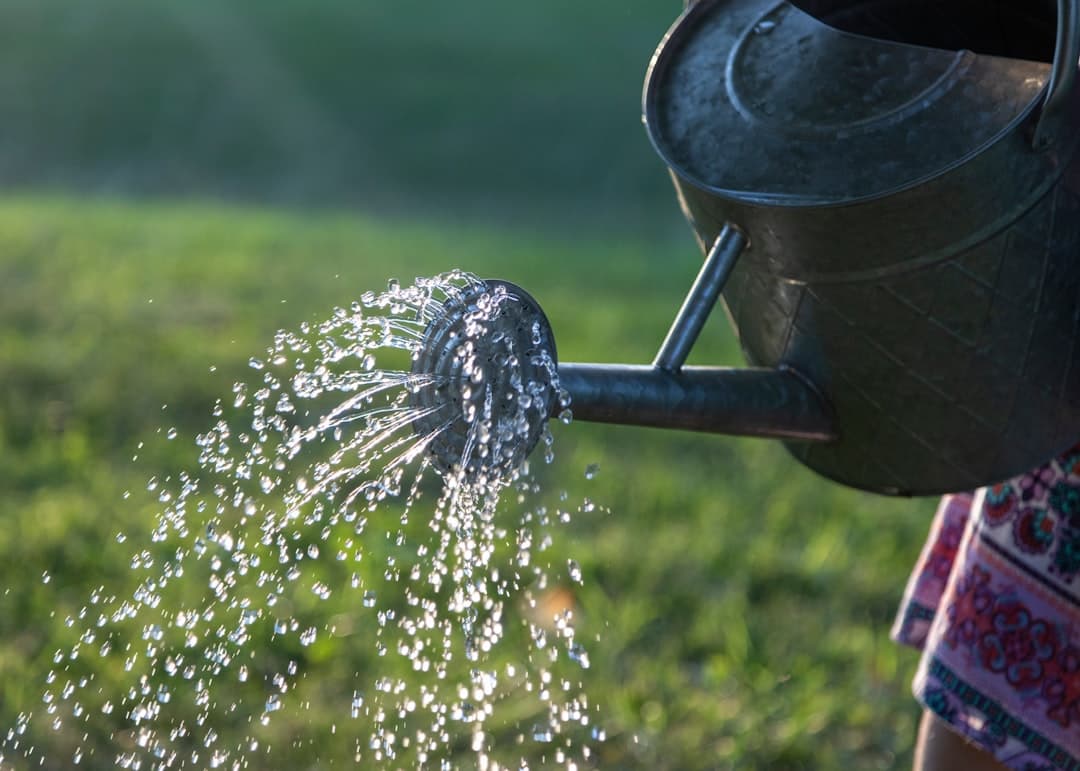
When watering does more harm than good
More water does not always mean better care. In some situations, extra watering pushes a struggling plant further into decline.
What's happening
Excess moisture fills air pockets in soil that roots rely on for oxygen. When soil stays saturated, roots suffocate. The plant wilts or drops leaves — which looks like it needs more water, creating a dangerous cycle.
Why this happens
Waterlogged soil reduces oxygen and invites fungal growth. Monsoon is a common trigger: rain tops up already-watered pots. Indoor plants near ACs get less evaporation, so water sits longer than expected.
What usually helps
Check soil before watering — the finger test (dry to 2-3 cm depth) works well. During monsoon, cut watering in half and move outdoor pots under cover. Remove saucers during rainy weeks. If a pot feels unusually heavy, skip watering. Proper holes and airy soil matter far more than pebbles at the bottom.
What to expect next
Plants often stabilize within one to two weeks once overwatering stops. New root growth resumes as oxygen returns to the soil.