
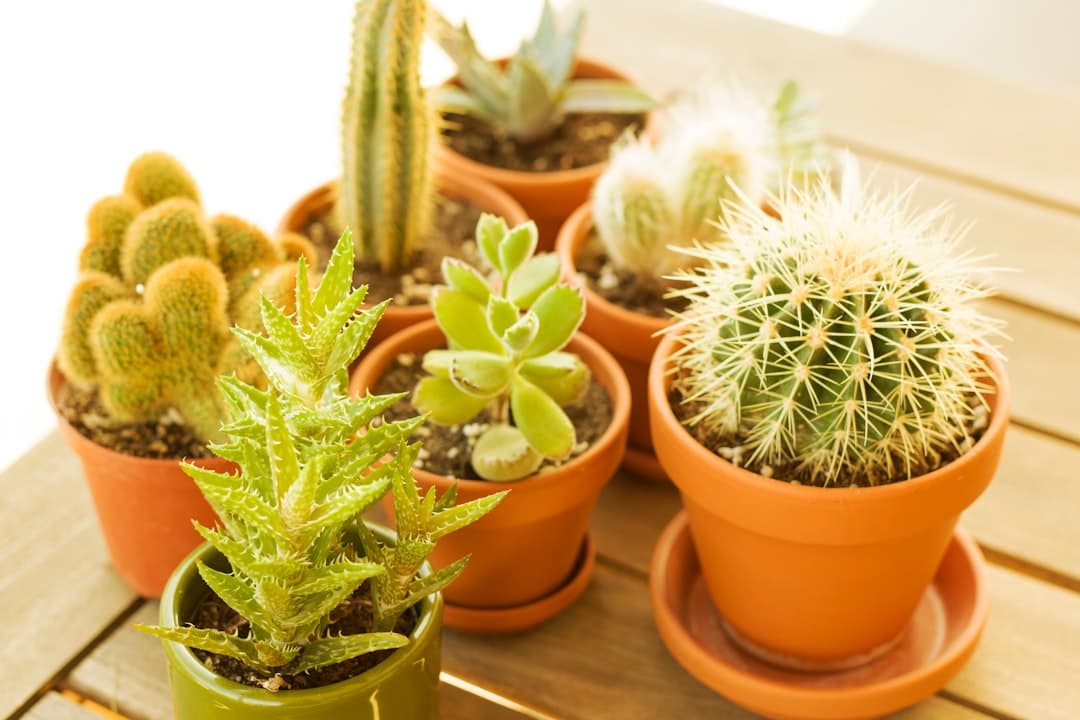
What's happening
Your echeveria, jade, or cactus collection looked fine in dry April; by July stems are black at the base and leaves fall with a touch. Indian monsoon humidity plus cool nights is the opposite of their native dry cycles. Open terraces in Bangalore or Pune can still rot succulents if trays hold water.
Collections on Bangalore terraces under partial roof still get 80% humidity—etiolation and rot differ from desert dryness. Jade plant in old Delhi flats may stay indoors year-round and need even less water than coastal cousins. Echeveria rosettes close tight when healthy; open loose rosettes in monsoon warn of trouble.
Walk the same spot at 9 a.m. and 3 p.m. once in March and once in July—those two snapshots reveal more than most generic guides. In Indian flats, reflected heat from glass and tiles, monsoon damp, and AC drafts change a pot faster than ground gardens.
Why this happens
Succulents store water in leaves and stems; roots expect dry intervals. Constant rain and sympathetic watering invite fungal rot. Dense cocopeat-heavy mixes hold too much moisture. Lack of airflow under crowded arrangements spreads problems. Glass terrariums without drainage are especially risky in humid months.
Imported succulent soil mixes are sometimes pure fine cocopeat—add grit before monsoon. Night temperatures in hill stations during rain can trigger rot despite ‘dry’ appearance of surface. Morning dew on outdoor succulents is fine; afternoon rain followed by sun can cook damaged tissue.
Apartment microclimate—railing sun, building shade, tank water chemistry, and pot volume—often explains symptoms better than a single fault on a label. Seasonal shifts around IST pre-monsoon heat and post-monsoon recovery matter more than copying a fixed weekly schedule from abroad.
What usually helps
Move to a rain-shadow spot under eaves before June—bright, not dark. Use 50% gritty mix: coarse sand, perlite, or crushed brick with minimal cocopeat. Stop watering entirely while natural rain hits the pot unless fully sheltered. Ensure holes; no closed bottoms. Treat rot by cutting above black tissue, drying cuttings 3–5 days, then re-root in dry grit. Water only morning, only when soil is bone dry through the pot.
Label pots ‘no water June–Aug’ for sheltered specimens. Use horizontal rain shadow—wall on one side, roof lip above. For rot, act fast: sterile blade, dry, replant in dry mix, no water 10 days. Group succulents by genus care—jade tolerates more abuse than fine sedum.
Finger-test the top 2–3 cm of soil, confirm drainage holes are open, and change one variable at a time rather than repotting, feeding, and moving the same day. Cocopeat-based mixes with compost and grit suit most balcony and terrace pots better than heavy garden soil alone.
What to expect next
Some outer leaves may shrivel and die—acceptable if the core is firm. Re-rooted cuttings grow slowly until October. Expect cosmetic scars on cacti; new spines mean stability. Reintroduce full sun gradually after monsoon ends.
Some leaf loss is pruning by nature. New growth in October is confirmation. Painted or glued decorative succulents rarely recover—skip rescue. Long-term, fewer healthier plants beat crowded collections.
Older damaged leaves may not green up again; firm new shoots are the reliable sign you are on track. Give most balcony and indoor plants two to four weeks after a fix before judging failure. Mark what worked on your calendar so next summer or monsoon you repeat success instead of guessing.