
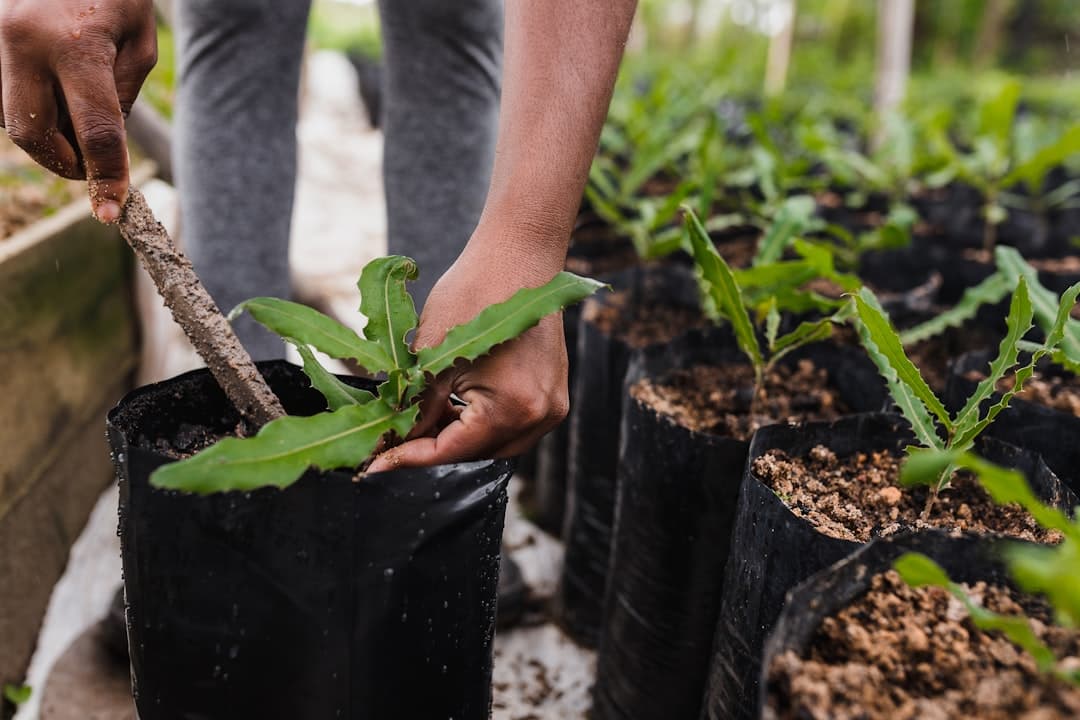
What's happening
Red garden soil alone compacts in pots, cracks in summer, and turns to mud in monsoon. Indian apartment growers often stack bags of cocopeat, vermicompost, and river sand on the terrace to blend a mix that drains yet holds moisture. A good home mix costs less than premium bags and you control drainage for each plant type.
Cocopeat blocks expand in a bucket overnight—plan terrace space for mixing. Vermicompost from local suppliers varies; smell should be earthy, not sour. River sand in bags may be fine; wash if salty taste on tongue test sample.
Walk the same spot at 9 a.m. and 3 p.m. once in March and once in July—those two snapshots reveal more than most generic guides. In Indian flats, reflected heat from glass and tiles, monsoon damp, and AC drafts change a pot faster than ground gardens.
Why this happens
Pure cocopeat holds too much water without structure. Pure compost burns roots when too hot or fresh. Beach sand is salty; quarry dust varies. Without perlite, rice husk, or coarse grit, roots suffocate after months of watering. Different plants need different air-to-water ratios—succulents vs ferns vs hibiscus.
Reusing old mix without baking or solarising can carry fungus gnats and root issues. Too much fresh cow dung burns roots—age manure. Urea shortcuts cause salt spikes in small pots.
Apartment microclimate—railing sun, building shade, tank water chemistry, and pot volume—often explains symptoms better than a single fault on a label. Seasonal shifts around IST pre-monsoon heat and post-monsoon recovery matter more than copying a fixed weekly schedule from abroad.
What usually helps
Base blend for most foliage and herbs: 40% cocopeat, 30% compost (well-aged vermi or leaf mould), 20% coarse sand or perlite, 10% rice husk or crushed brick for airflow. Succulents: 30% cocopeat, 50% grit/sand/perlite, 20% compost. Ferns: more cocopeat and leaf mould, less sand. Sterilise suspicious soil by solarising in a closed clear bag on terrace for a week if reusing. Moisten mix before potting; do not pack tight.
Mix dry, then add water until damp like squeezed sponge. Store in drum with lid—prevents mosquito breeding. Label bags with date mixed. For orchids and ferns, separate finer mix with extra leaf mould.
Finger-test the top 2–3 cm of soil, confirm drainage holes are open, and change one variable at a time rather than repotting, feeding, and moving the same day. Cocopeat-based mixes with compost and grit suit most balcony and terrace pots better than heavy garden soil alone.
What to expect next
Plants potted in fresh mix may pause 1–2 weeks—root settling. Watering rhythm changes; check weight of pot. Remix or top-dress annually for heavy feeders on small balconies. Store dry mix in a covered drum to keep out mosquitoes breeding in wet cocopeat.
First watering after repot may channel through dry pockets—water twice gently. Plants may pause 10 days—normal. Adjust ratios next season based on who dried fastest.
Older damaged leaves may not green up again; firm new shoots are the reliable sign you are on track. Give most balcony and indoor plants two to four weeks after a fix before judging failure. Mark what worked on your calendar so next summer or monsoon you repeat success instead of guessing.