
Why fern recovery feels unpredictable
Fern recovery can feel inconsistent compared to other plants, and that uncertainty frustrates many growers.
What's happening
After a dry spell or location change, some fronds bounce back while others crisp up. New growth may stall. It's hard to tell whether corrections are working.
Why this happens
Ferns lack reserves most houseplants rely on. A peace lily recovers in hours, but damaged fern tissue cannot rehydrate. Recovery means growing new fronds, which needs stable conditions over weeks. Indian weather swings—heatwaves, monsoon humidity, overcast stretches—create the fluctuations ferns handle poorly.
What usually helps
Focus on consistency. Pick a spot with stable indirect light and keep the fern there. Water on a schedule rather than reacting to visible stress. Use a cocopeat-heavy mix for even moisture. Avoid moving the pot or changing routines frequently.
What to expect next
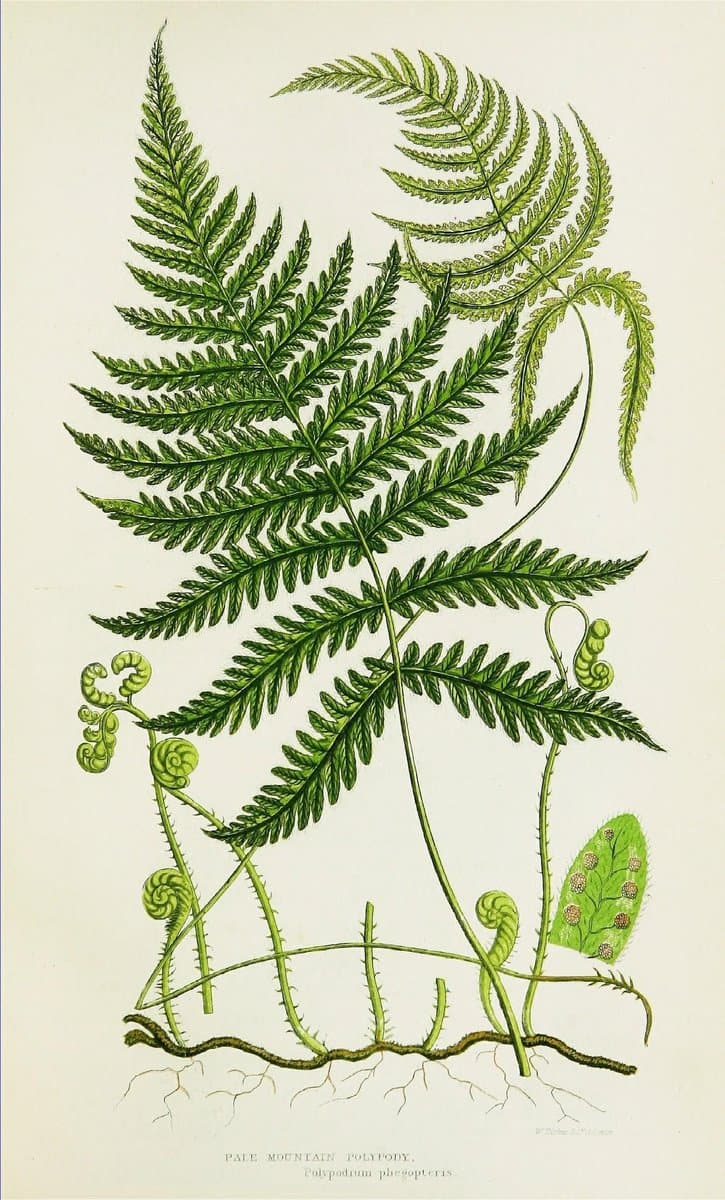
Improvement is measured in new fronds, not recovery of old ones. Expect 3–6 weeks of consistent care before the plant looks noticeably better. Each fiddlehead that unfurls fully confirms conditions are stable enough.