
Recovery rarely looks like a dramatic comeback. The early signs are subtle, and knowing what to watch for prevents unnecessary worry or harmful changes.
What's happening
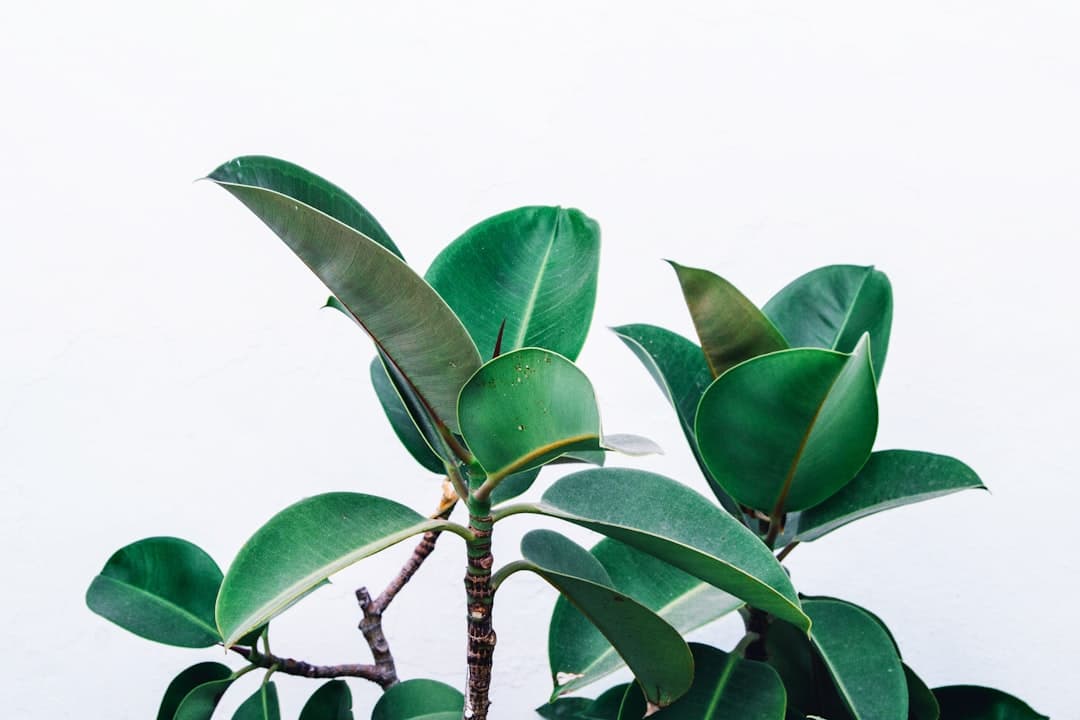
Plants prioritise root stability before new leaves. During this phase, older damaged leaves may yellow or drop. First real signs of recovery are firmer stems, slightly deeper leaf colour, and leaves holding posture better instead of drooping.
Why this happens
Repairing roots and tissue is invisible work that consumes energy. The plant will not produce new leaves until conditions feel reliably stable. In Indian homes, recovery is quicker in warm months with good light, slower during monsoon or winter.
What usually helps
Resist the urge to fertilise or repot. Check stem firmness near the base—a recovering plant feels sturdy, not mushy. Look for a small unfurling leaf at the growth point. Water only when the top inch of soil dries out.
What to expect next
New growth appears brighter, firmer, and properly shaped. That first new leaf confirms the corner has been turned. Each subsequent leaf should look better as long as conditions stay stable.