
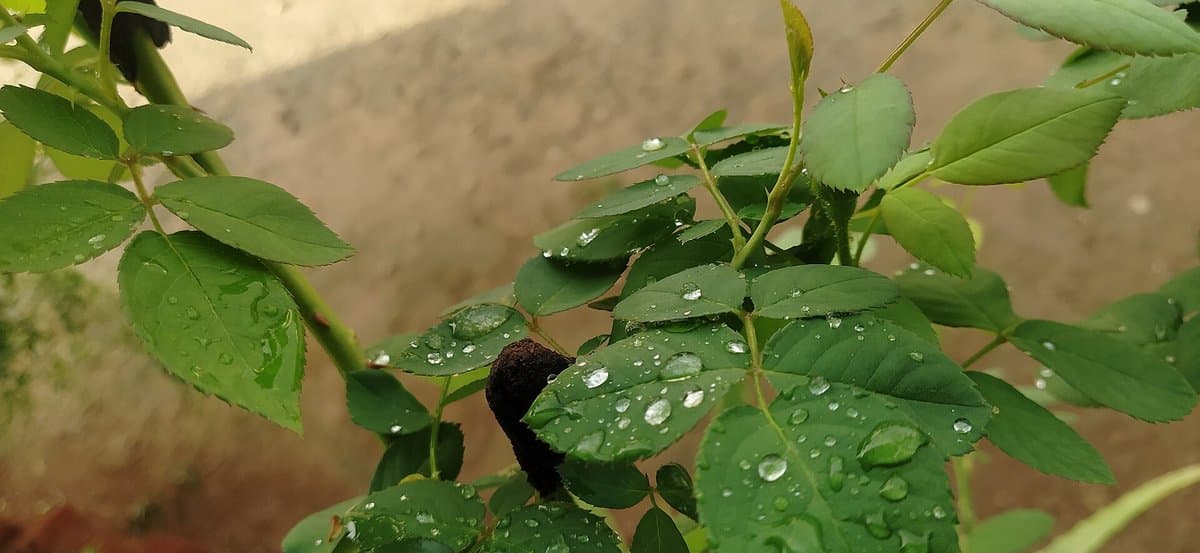
Indian weather affects plant growth by changing five things at once: light, temperature, humidity, rainfall and wind. Those changes alter how quickly a plant loses water, how long its pot stays wet, how efficiently roots work and whether new leaves, roots or flowers can develop. The useful response is not a rigid national calendar. It is learning which weather signal changed around your plant.
A pothos beside a humid Mumbai window, a hibiscus on a windy Bengaluru balcony and a rubber plant in a Delhi room with summer AC can all need different care on the same date. Start with the plant and its pot; let the forecast adjust your routine.
The short answer: what each weather factor changes
- Hot, bright or windy weather usually speeds water loss from leaves and pots. A plant may need earlier soil checks, but not automatic daily watering.
- Humid, cloudy weather slows evaporation and transpiration. Soil often stays wet longer even when the air feels warm.
- Repeated rain can replace air in the potting mix with water. Roots then struggle to respire, so a waterlogged plant may wilt even though the soil is wet.
- Cold nights and shorter winter days slow many tropical plants. They may use water and fertiliser more slowly; this is not the same as every plant becoming dormant.
- Sudden changes matter. Moving from nursery shade to harsh sun, from a warm balcony to an AC room, or from a dry week to continuous rain can cause more stress than a stable season.
The Royal Horticultural Society explains that warm or windy conditions increase transpiration, while cool or humid air slows it. That is why a fixed watering schedule becomes unreliable across Indian seasons.
March to May: heat, dry air and hot balcony surfaces
Pre-monsoon summer can combine high air temperature, strong sun, warm nights and drying winds. Containers are especially exposed because their small root volume heats and dries faster than garden soil. Dark pots and tiled parapets can make the root zone hotter than the reported air temperature.
Check the mix below the surface in the morning. If the plant is ready for water, soak the root ball evenly until water drains out, then empty the saucer. A small splash every evening can leave the centre dry while keeping only the top damp. Move sensitive pots off heat-reflecting floors, group containers to reduce wind exposure, and use a light shade cloth for plants that scorch in afternoon sun. Do not move a shade-grown plant into full sun in one step; increase exposure over several days.
Heat-stressed leaves may roll, bleach, develop dry patches or wilt during the hottest hours. First check the soil. If it is already wet, adding more water may make the root problem worse. Give temporary shade and reassess after the evening cools.
June to September: southwest monsoon is a drainage season
For much of India, the southwest monsoon brings some combination of cloud, rain, humidity and lower daytime evaporation. The exact onset and amount vary greatly by region and year, so use your local India Meteorological Department forecast rather than treating June as a switch that flips everywhere.
During a wet spell, stop watering by weekday. Lift the pot or check several centimetres below the surface. Empty saucers, keep drainage holes clear and move rain-sensitive pots under an eave before several consecutive wet days. Leaves packed tightly against a wall dry slowly; a little spacing and airflow reduce the time foliage stays wet.
Waterlogging removes oxygen from pore spaces around roots. Early signs include yellowing, stalled growth, leaf drop and wilting in wet soil. If the pot smells sour or stems are soft at soil level, move it out of rain and inspect the drainage. Do not fertilise a saturated or visibly stressed root system. Read the focused guide on saving potted plants after heavy rain for a recovery sequence.
October and November: do not assume rain is finished
Post-monsoon weather can be a strong growing period: light improves, roots regain oxygen and many plants produce fresh shoots. But the transition is regional. Tamil Nadu and parts of the southeast receive important rain from the northeast monsoon while other areas are becoming drier. Coastal humidity may remain high after regular rainfall ends.
Resume watering only as the pot actually dries. This is a useful time to remove dead material and restart light feeding after healthy new growth appears. Avoid aggressive repotting just because a stressed plant looks untidy; stable new leaves are a better signal that roots are ready.
December to February: winter means different things across India
North Indian balconies can face cold nights, fog and low light. Coastal southern cities may remain warm, while elevated cities can have mild days and noticeably cool nights. Tropical houseplants near cold glass, an open stairwell or a draught may slow down or drop leaves. Indoor heating and AC can also create dry air even when outdoor humidity is comfortable.
Let slower-growing plants use more of the available moisture before watering again, but do not force every species bone-dry. Pause routine feeding when there is no active growth. Move cold-sensitive plants away from night draughts and avoid watering late in a cold evening when the pot will remain wet and cool for hours. A slower winter plant is not necessarily unhealthy.
Four useful Indian microclimates
Humid coastal homes: Mumbai, Kochi, Goa, Chennai and similar locations often have slower pot drying during rainy periods. Prioritise drainage, airflow and protection from repeated rain. Salt-laden coastal wind can add stress on exposed balconies, so rinse dusty or salty foliage with clean water when needed.
Hot, dry or composite-climate cities: Delhi NCR, Jaipur, Ahmedabad, Hyderabad and many inland locations can combine intense summer heat with large seasonal shifts. Protect roots from hot masonry, acclimatise plants to sun and watch for rapid drying in wind. Winter care may be very different from summer care.
Mild elevated cities: Bengaluru, Pune and other higher-elevation locations can have moderate averages but sharp balcony microclimates. A windy high-rise corner, shaded ground-floor patio and west-facing glass balcony in the same city will not behave alike.
High-rainfall and hill regions: Persistent rain, mist or cool nights can slow evaporation. Shelter and drainage may matter more than adding water. Frost or very low temperatures in colder hill regions require plant-specific protection.
These are starting points, not guarantees. Measure the light and feel the soil where the plant actually lives.
Decode the symptom before changing care
- Wilted plus dry mix: water thoroughly, then protect from peak heat while it rehydrates.
- Wilted plus wet mix: improve drainage and root-zone air; do not add more water.
- Bleached or sharply tan patches on the exposed side: suspect sudden sun or heat exposure.
- Soft yellow leaves during humid weather: check how long the pot has stayed wet.
- Crispy tips in an AC room or dry wind: check root moisture and dry-air exposure together.
- No new growth in cool or low-light weeks: observe before feeding or repotting.
Weather can explain a pattern, but pests, compacted mix and root damage can produce similar symptoms. Check stems, leaf undersides, drainage holes and recent care changes before deciding.
A two-minute weather routine
- Check today’s heat, rain and wind forecast for your locality.
- Look at the soil below the top layer in one representative pot.
- Check whether saucers or cover pots hold water.
- Notice one leaf: firm, limp, scorched, yellow or unchanged.
- Make one small adjustment—water, shelter, shade, space out, or simply wait.
This keeps care responsive without turning every forecast into an emergency. For the underlying temperature signals, continue with how temperature affects plant growth.