
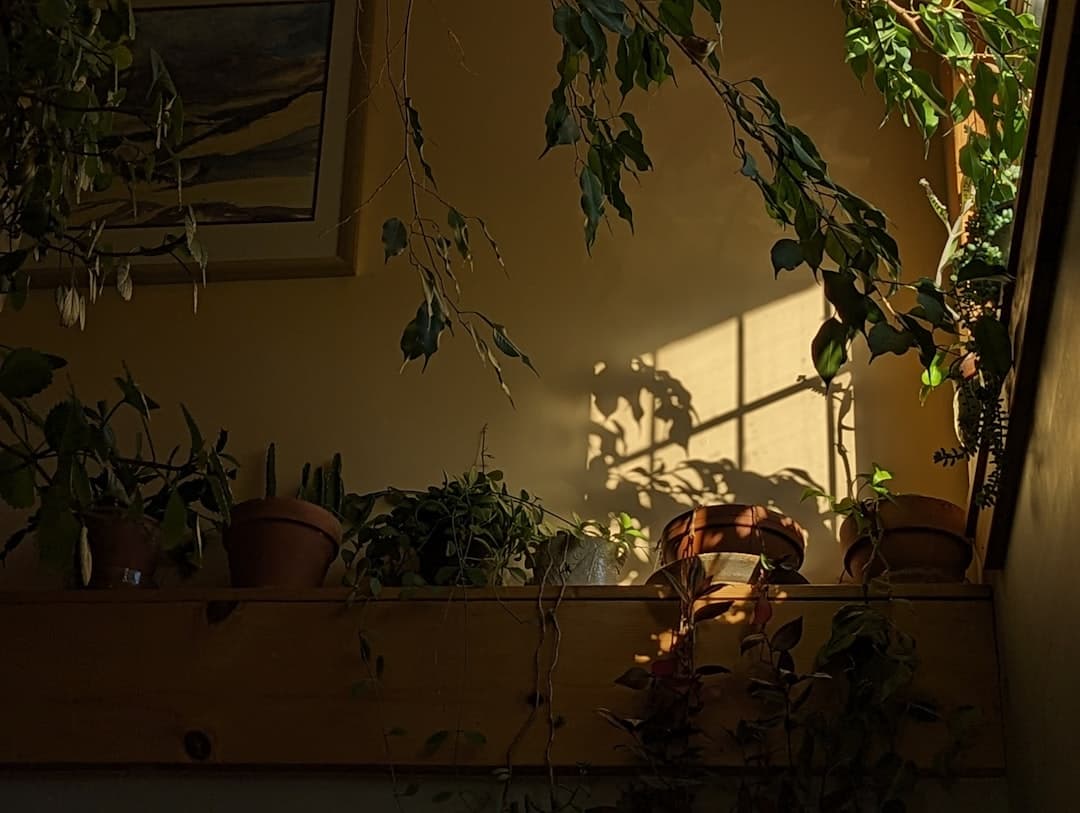
How sun affects succulents differently
Succulents tolerate more sun than most houseplants, but they're not invincible in Indian heat. The right balance produces vibrant colours.
What's happening
Adequate sunlight makes succulents grow compact with deeper colours — greens intensify, and varieties like Echeveria reveal reds, purples, and oranges. This colour change (stress colouring) signals healthy adaptation. Leaves also thicken under good light.
Why this happens
Sunlight drives photosynthesis and triggers protective pigments that create vivid hues. Too little light causes etiolation — leggy stems and pale thin leaves. But harsh afternoon sun in Indian cities can overwhelm even sun-loving varieties.
What usually helps
Morning sun (7–11 AM) is ideal. East-facing balconies are perfect. Avoid prolonged west-facing afternoon exposure where temps cross 45°C. Use 50% shade net during March–June if needed. Increase sun exposure gradually when moving succulents outdoors — sudden shifts cause sunburn.
What to expect next
With the right light, rosettes tighten, colours deepen over weeks. Etiolated growth won't shrink back, but new growth emerges compact and colourful.