
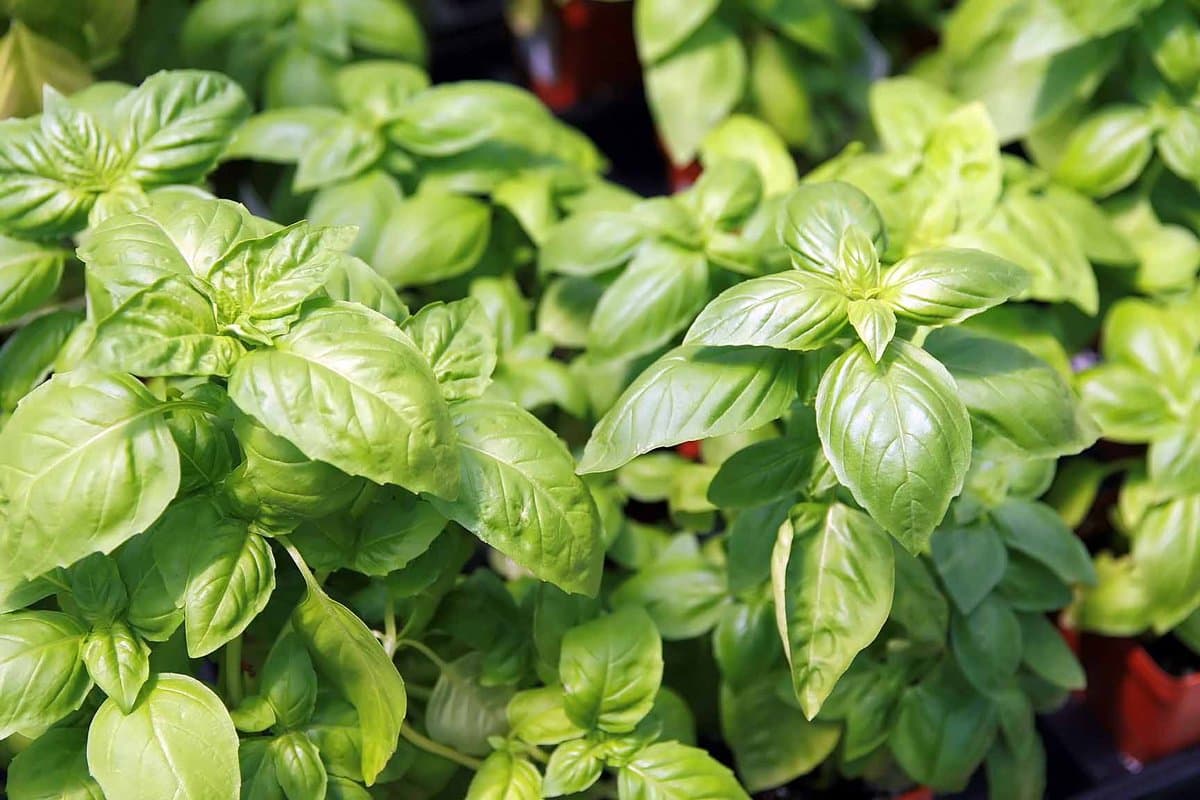
How sunlight affects edible leaves
Sunlight directly influences both growth and taste in edible plants, making placement one of the most important decisions for balcony growers.
What's happening
Leaves exposed to more sun grow thicker, darker, and develop stronger flavour. Spinach, methi, and amaranth in full sun produce chewier, more nutritious leaves. Sun-grown plants also tend to be more compact with sturdier stems.
Why this happens
Photosynthesis fuels both growth and production of flavonoids, oils, and vitamins. In Indian conditions, the intense afternoon sun (March–June) can push past the sweet spot, causing mild scorch on tender greens.
What usually helps
Aim for 4–6 hours of direct morning sun—an east-facing balcony is ideal. In peak summer, use a 30–50% shade cloth during 12–3 PM. Terracotta pots keep roots cooler than black plastic in direct sun. Water early morning so leaves dry before heat builds.
What to expect next
Leaves become thicker, more aromatic, and deeper in colour within two to three weeks of better sun exposure. Harvest frequently to keep plants producing fresh growth.