
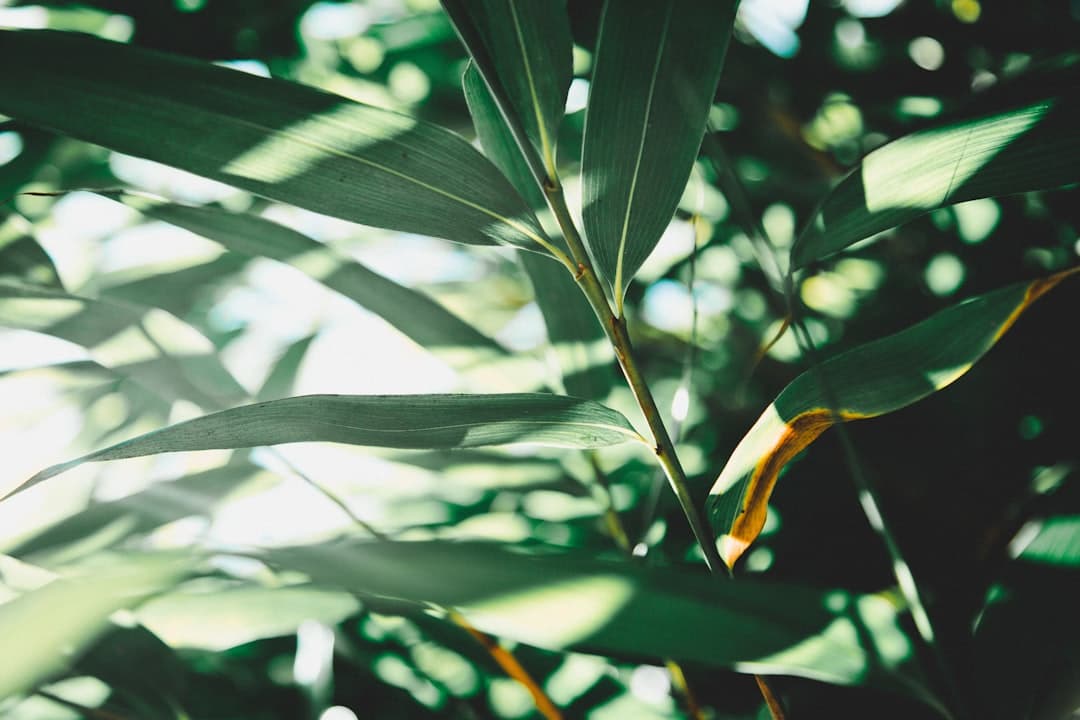
Sun stress occurs when a plant receives more direct light than it can handle. It is especially common on south and west-facing balconies in Indian cities, where afternoon temperatures push past 40°C in peak summer.
What's happening
Excess light damages leaf tissue faster than the plant can repair it. You will notice faded patches, crispy brown edges, or papery spots—usually on the side facing the sun. Leaves may curl inward to reduce exposed area.
Why this happens
Direct afternoon sunlight raises leaf temperature sharply and accelerates moisture loss. Most indoor plants like pothos and aglaonema evolved under forest canopies and lack the protective wax layer outdoor species have. Glass windows intensify heat further.
What usually helps
Move the plant a foot or two back from the window, or use a sheer curtain. On open balconies, shift it to a spot shaded after noon. Terracotta pots keep roots cooler than dark plastic.
What to expect next
Scorched patches will not reverse, but new growth over two to three weeks should look healthy. Trim fully crispy leaves to redirect energy.