
Prevention · 7 min read
Rubber Plant Care in India: Light, Water and Monsoon Tips
Give your rubber plant bright filtered light, let the upper mix dry, and change the rhythm when monsoon or AC changes the room.
Read guide ↗Plant care profile
Ocimum sanctum
Sacred plant with medicinal properties. Essential for puja and natural remedies.

The essentials
Watering needs vary with light, pot size and growing conditions. Check the soil rather than following a fixed schedule.
Make sure it fits your home
Pets: Not confirmed — check before choosing.
Children: Listed as safe.
Commonly grown as a culinary, sacred and medicinal herb, but pet-specific toxicity classification was not verified from a veterinary poison source in this pass.
Avoid medicinal dosing for children, pregnant users, or pets; app copy should frame Tulsi as a plant, not a treatment.
Prefers morning sunlight, keep soil moist
Monsoon risk: Medium.
Humidity needs: Medium.
See seasonal checks ↗Want to build a routine?
Request updates when personalized care plans are ready. Your plant care guide remains free to use without email.
Care-plan updates
This requests updates. It does not add a plant to an app garden.
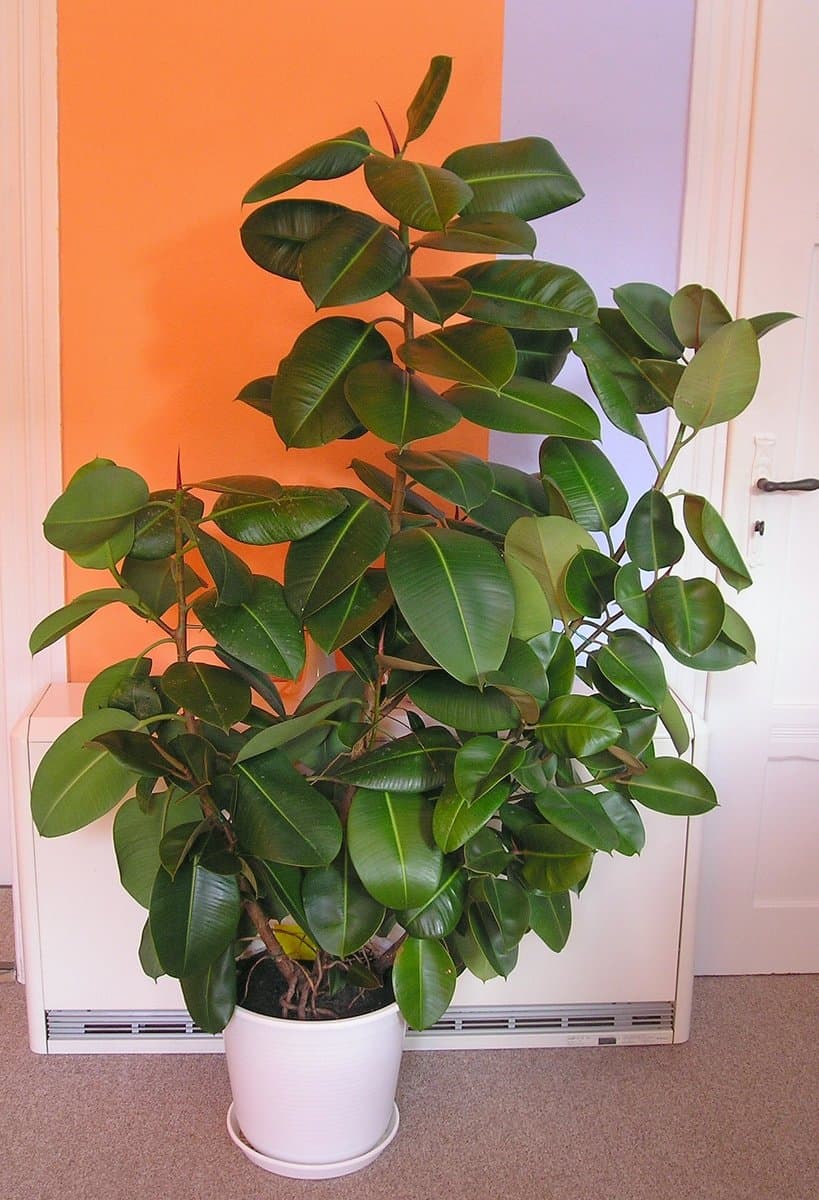
Give your rubber plant bright filtered light, let the upper mix dry, and change the rhythm when monsoon or AC changes the room.
Read guide ↗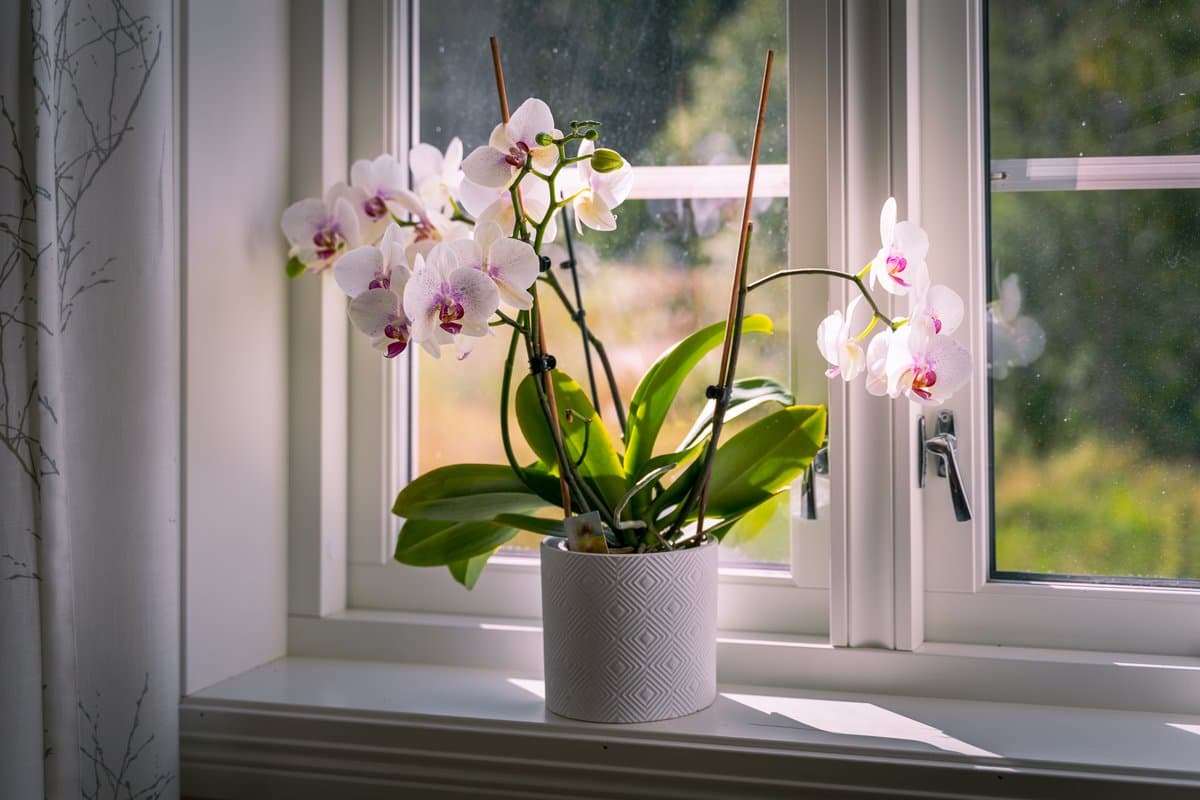
Low-light, low-fuss indoor plants that survive real Indian flats—not showroom conditions.
Read guide ↗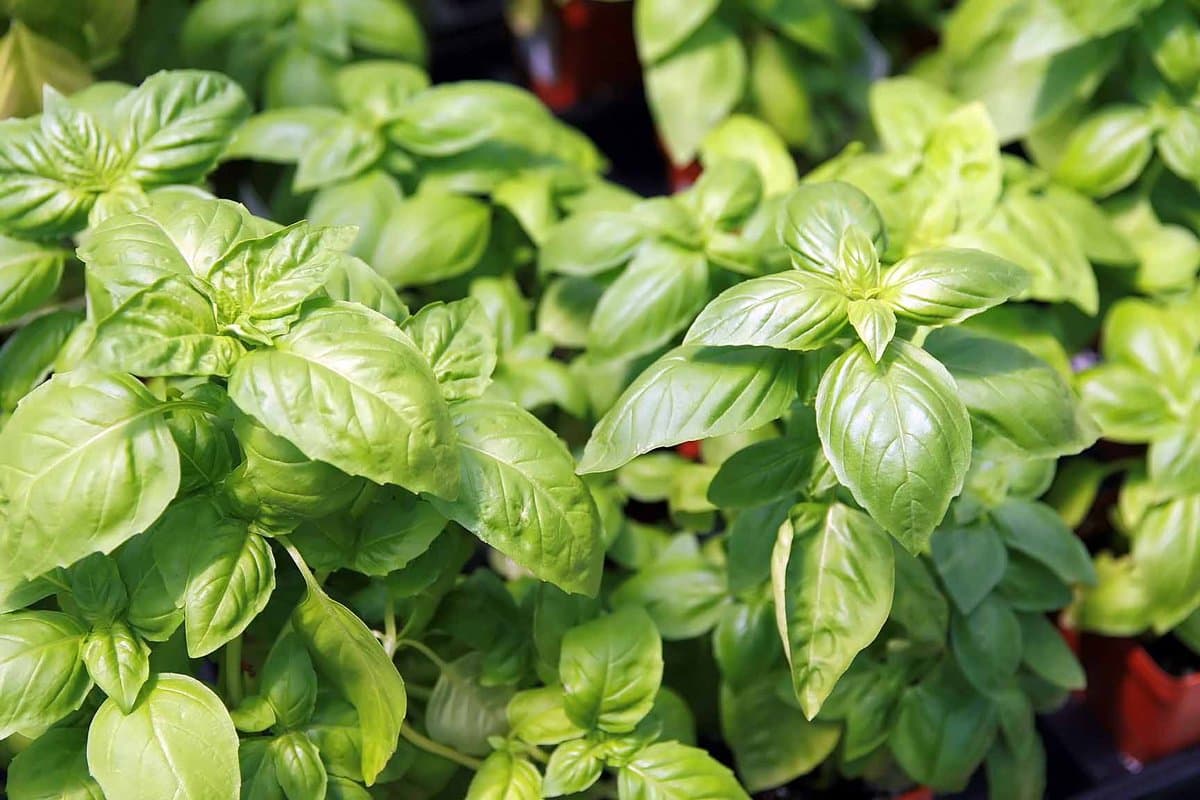
Your mint is outgrowing everything else? That's exactly what it's built to do.
Read guide ↗